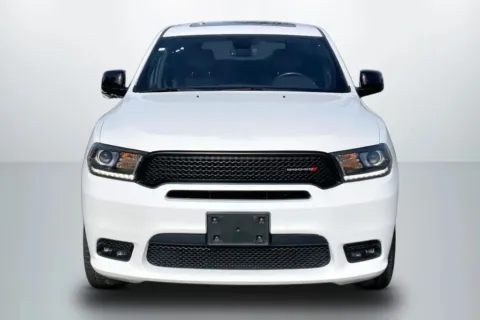
Smart Steps for Navigating the Pre-Owned Auto Market with Confidence
Planning begins by clarifying needs, not wants. Assess how you drive each week, who rides with you, and what conditions you face across seasons. Define must-have features, acceptable mileage ranges, and service history thresholds. Establish a budget that buffers for tax, title, and future maintenance. By narrowing scope early, you prevent drift on the lot and frame conversations that stay focused on real-world fit and long-term value.
Meanwhile, timing your search can shape inventory exposure. Seasonal trade-ins and model-year turnovers alter selection and pricing signals. Visit more than one showroom, and document impressions the same day. Compare trim levels, safety tech, and warranty options side by side. Ask for a printed vehicle history and verify VIN consistency on all materials. This cadence keeps choices comparable while reducing memory bias after multiple test drives.
Beyond that, inspection habits matter. Arrive with a simple checklist and stage your review outdoors in good light. Inspect panel gaps, tire wear patterns, and glass edges, then validate basic electronics and climate controls. Listen for cold-start noises and feel transmission shift quality under gentle and brisk acceleration. Photograph odometer, engine bay, and tread depth to reference later. Objective artifacts make follow-up decisions clearer and less emotional.
However, total cost of ownership deserves equal attention. Calculate insurance quotes in advance for two or three contenders, and refine your estimate of fuel, tires, and routine services. Ask about parts availability and typical service intervals for that model’s drivetrain. In practice, even small differences in maintenance cadence accumulate over years. A slightly higher purchase price can still win if longevity and operating costs align with your driving profile.
Then, financing strategy should align with depreciation realities. Verify rate offers from your bank or credit union before visiting a used car dealership, and bring pre-approval details. Compare length of term against the expected service life you anticipate. Aim to avoid being upside-down if you plan to trade earlier. Clear math, paired with a realistic horizon, helps you select payment structures that buffer against surprise expenses.
Often, test-drive routes fail to mirror daily routines. Request a loop that includes highway merges, stop-and-go, and rough pavement. Calibrate seat and mirror positions to confirm visibility and comfort. Validate smartphone integration, backup camera clarity, and audio at varying speeds. Note brake feel and steering on quick lane changes. Short but varied routes surface issues that a smooth neighborhood road can easily hide during a five-minute spin.
Meanwhile, trust—but verify—reconditioning claims. Ask what was serviced in-house and what was subcontracted, and request invoices when available. Inspect fluid clarity, belt condition, and battery labels. If you remain unsure, schedule an independent pre-purchase inspection to document findings objectively. This modest investment often prevents rework later and strengthens your negotiating stance if small defects or overdue maintenance appear during the review.
Finally, paperwork discipline protects you. Read every page before signing, including arbitration clauses and add-on products. Validate that agreed items—extra keys, floor mats, or a promised detail—are written into the we-owe form. Confirm title status and lien release timing. Keep a digital folder with receipts, inspection notes, and photos. Strong documentation simplifies future resale and supports warranty claims if concerns arise in the first months.
Beyond pricing, dealership fit is about process and clarity. Evaluate how staff scope your needs, whether they sequence steps logically, and how transparently they present options. A professional car dealership will explain inventory sources, trade-in evaluations, and holdbacks without pressure. You’re assembling a service relationship as much as buying a vehicle, so judge how they handle questions after the test drive as carefully as the sale itself.
Ultimately, the market rewards prepared buyers. Set thresholds, stage methodical inspections, and validate financing before emotions run high. Compare similar trims across multiple cars for sale to anchor fair value, and revisit contenders after a night’s rest. When your documentation aligns with a clean drive experience, sensible ownership math, and responsive support, you can decide confidently and enjoy the miles ahead without second-guessing.